
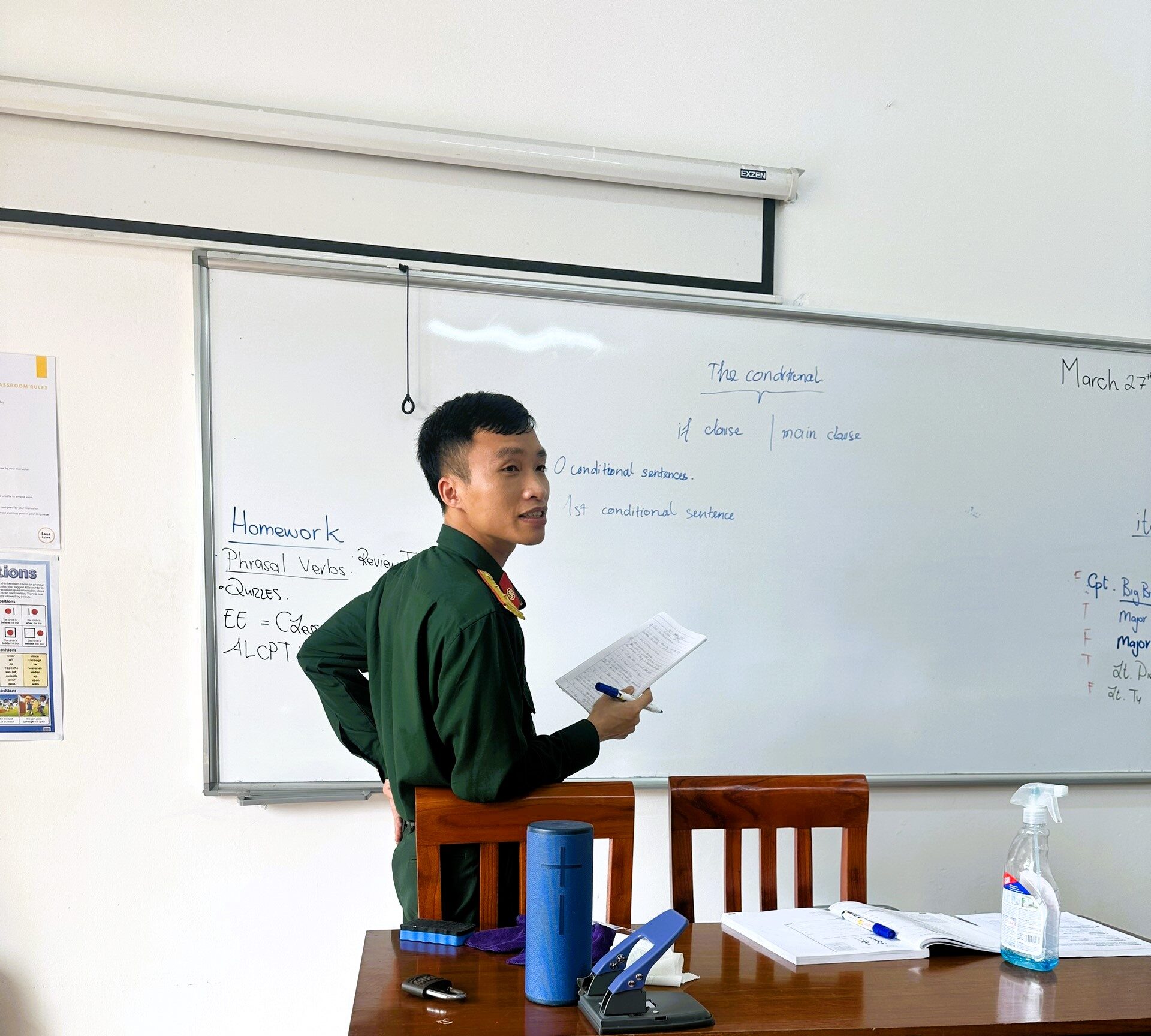

Our Unit 871 ESL Instructor, Isaac, shares how he boosts his students’ confidence through effective feedback.
As an ESL instructor working with Vietnamese adult students, I actively use feedback to boost students’ confidence every day. I see how direct, timely feedback transforms hesitant learners into confident communicators. When I focus on using feedback to boost students’ confidence, I create a classroom where students take risks, share ideas, and grow.
Building Confidence Through Action
Self-efficacy drives language development. When students believe in their ability to improve, they engage, participate, and persist. I use feedback to boost students’ confidence by highlighting their progress and showing them their strengths. I don’t just correct mistakes—I encourage students to recognize their growth and set new goals.
Delivering Effective Feedback
I tailor my feedback to the unique needs of Vietnamese adult learners. Here’s how I make feedback work:
- Ask Guiding Questions: I prompt students to reflect and elaborate. For example, I ask, “Can you express this idea another way?” This approach pushes students to think critically and solve problems.
- Balance Written and Verbal Feedback: I offer written comments for private reflection and use verbal feedback to spark group discussions. This dual approach ensures every student benefits.
- Highlight Strengths: I always start by celebrating what students do well. Positive reinforcement energizes students and keeps them motivated.
Adapting Feedback for Every Learner
I recognize that each student responds differently to feedback. Some thrive in group discussions; others prefer written suggestions. I adjust my style to match their preferences. For Vietnamese adult students, I build trust and respect cultural perspectives, ensuring feedback always empowers rather than intimidates.
Creating Lasting Confidence
By using feedback to boost students’ confidence, I do more than improve language skills—I help students develop a resilient mindset. Confident learners participate more, embrace challenges, and persist through setbacks. Over time, they become independent, successful language users.
Conclusion
I use feedback to boost students’ confidence as a core strategy in my ESL classroom. Thoughtful, supportive, and individualized feedback unlocks the potential of Vietnamese adult students and propels them toward their language goals.
References
Jalaluddin, I., Yamat, H., & Yunus, M. M. (2013). ESL Writing Self-Efficacy: Contribution to ESL Writing Skills Development. IOSR Journal of Research & Method in Education, 2(1), 34-47. ESLWritingSelf-EfficacyContributiontoESLWritingSkills_Development1>