
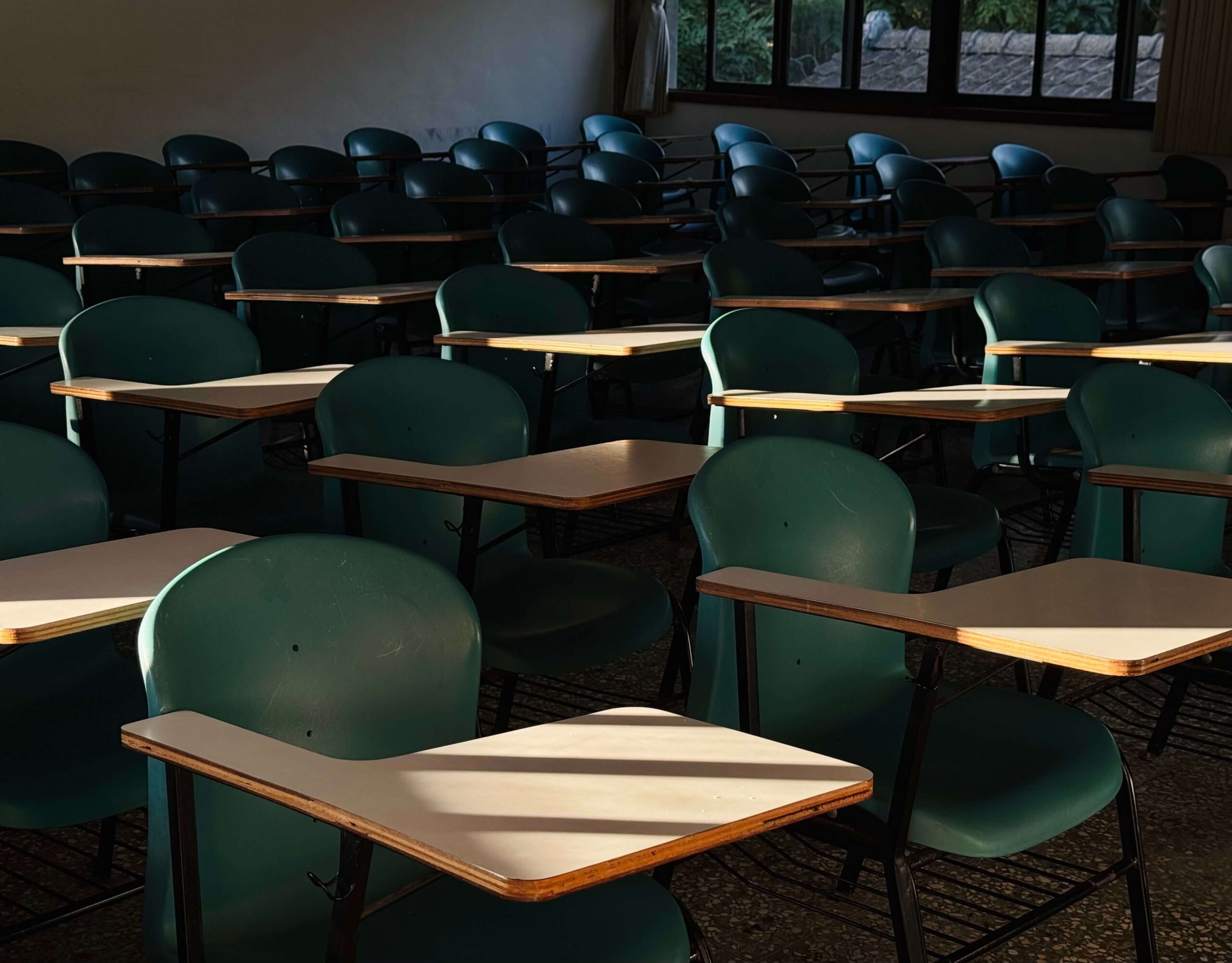

Our Unit 871 ESL Instructor, Jai, remarks on the importance of helping students develop self-correction techniques in language learning.
In language classrooms, correction is unavoidable. Students make mistakes as part of the learning process. The key question is not whether errors should be corrected, but how they are corrected. When teachers help students correct themselves, rather than simply giving the answer, learners become more accurate, more independent, and more confident. Self-correction is one of the most powerful tools for long-term language development.
Why Self-Correction Matters
When teachers immediately supply correct forms, students may repeat them without fully processing the language. In contrast, self-correction forces learners to think about what went wrong and why. This deepens learning and improves retention (Ellis, 2009). Research also shows that students who actively correct their own errors develop stronger language awareness and greater control over accuracy (Lyster and Ranta, 1997).
From Dependency to Independence
One of the main goals of language teaching is learner autonomy. When students rely on the teacher to fix every mistake, they remain dependent. Self-correction shifts responsibility to the learner and builds habits that extend beyond the classroom. This is especially important in military and professional contexts, where learners must monitor and adjust their language in real time without external support.
Techniques That Encourage Self-Correction
- Use Gentle Prompts Instead of Direct Correction
Rather than saying “That is wrong,” teachers can prompt with phrases such as:
- “Try that again.”
- “Is that the tense we need here?”
- “Listen to your sentence once more.”
These cues guide learners without depriving them of the opportunity to think (Scrivener, 2011).
- Reformulate and Pause
Repeating a student’s sentence with a rising intonation draws attention to the error while allowing the student to fix it. For example:
- Student: “He go yesterday.”
- Teacher: “He go yesterday…?”
This technique encourages noticing, which is central to language development (Schmidt, 1990).
- Use Peer Correction Strategically
Allowing classmates to help can reduce pressure and create a collaborative learning environment. Peer support also exposes learners to multiple ways of thinking about language (Harmer, 2007).
- Delay Correction During Fluency Activities
Constantly interrupting students can reduce confidence and fluency. During speaking tasks, it is often better to note errors and address them afterward. This keeps communication flowing while still supporting accuracy (Lightbown and Spada, 2013).
- Teach Students How to Check Their Own Language
Simple strategies — such as reading aloud, checking verb tense consistency, or looking for missing subjects — give learners tools to self-monitor even when the teacher is not present.
Conclusion
Helping students self-correct is not about avoiding correction. It is about making corrections meaningful. When learners are guided to find and fix their own errors, they become more accurate, more confident, and more independent. In the long term, this approach creates stronger communicators and more resilient language users.

References
Ellis, R. (2009) ‘Corrective feedback and teacher development’, L2 Journal, 1(1), pp. 3–18.
Harmer, J. (2007) How to Teach English. Harlow: Pearson Longman.
Lightbown, P. M. and Spada, N. (2013) How Languages Are Learned. 4th edn. Oxford: Oxford University Press.
Lyster, R. and Ranta, L. (1997) ‘Corrective feedback and learner uptake’, Studies in Second Language Acquisition, 19(1), pp. 37–66.
Schmidt, R. (1990) ‘The role of consciousness in second language learning’, Applied Linguistics, 11(2), pp. 129–158.
Scrivener, J. (2011) Learning Teaching. 3rd edn. Oxford: Macmillan.