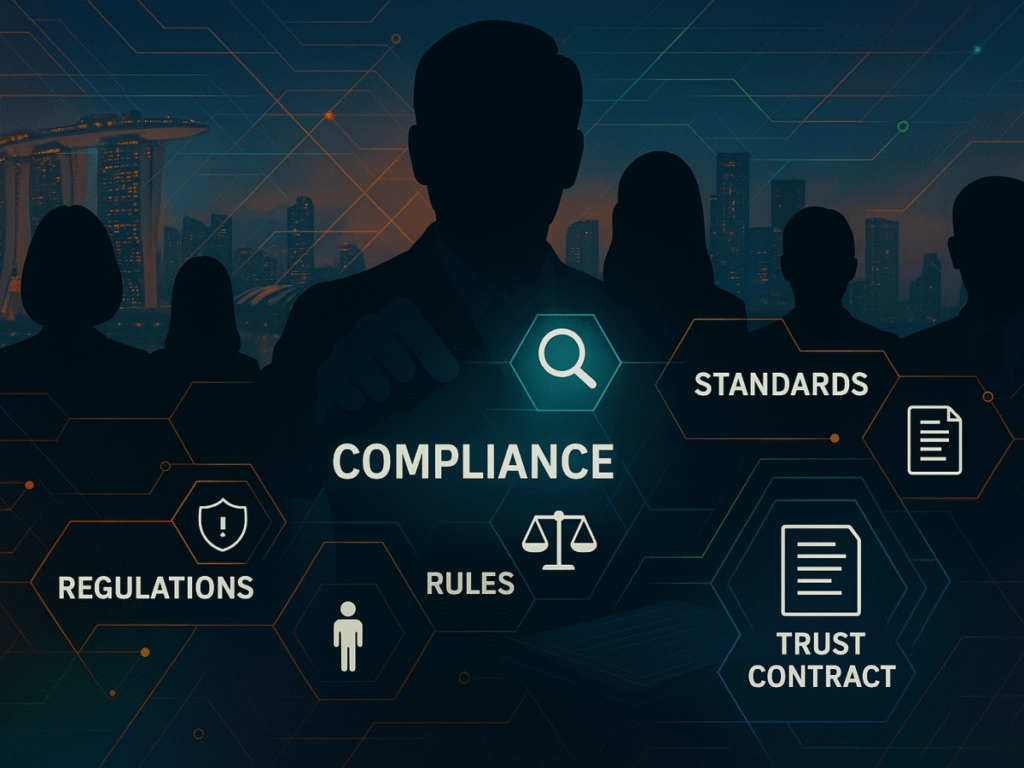

Our CEO & Founder, Tina, discusses the core components of building programs that last: foundation, compliance, and continuous improvement.
When people think about educational impact, they usually picture students achieving new milestones, teachers inspiring classrooms, or innovative programs transforming communities. Those moments are why we do what we do.
What people rarely see is the work behind the scenes that allows those successes to continue year after year. At Lana Learn, we’ve always believed that lasting impact isn’t measured by one great program. It’s measured by whether a program can consistently deliver quality across different countries, partners, and communities for years to come.
That takes more than talented people and good intentions. It takes strong systems.
Every Successful Program Evolves
The first challenge is building a successful program. The second is making sure it lasts. Most successful programs begin the same way. A new partnership is formed, teams work quickly to solve problems, and everyone focuses on delivering results. That flexibility is essential because without it, many great programs would never get off the ground.
As programs mature, however, their needs change. Once a program has demonstrated its value, the focus naturally shifts from building the program to strengthening it. The question becomes less about “Can we make this work?” and more about “How do we ensure this continues working five or ten years from now?” That requires a different kind of investment, attention, and focus.
Strengthening the Foundation
Sustainable programs rely on systems, not individual memory. As programs grow, partners expect consistency. Teams become larger, knowledge needs to be shared, and successful practices need to become standard operating procedures instead of unwritten habits.
This is where documentation, quality assurance, and compliance become essential. These are not obstacles to innovation. They are what allow innovation to continue without sacrificing quality.
When expectations are clearly documented, everyone works from the same playbook. When responsibilities are well defined, collaboration becomes easier. When compliance becomes part of everyday operations, programs become more resilient and better prepared for future growth.
Why Compliance Matters
Compliance isn’t about paperwork. It’s about trust. The word “compliance” doesn’t usually inspire excitement, especially in education. Most educators would rather spend their time supporting students than reviewing procedures or documentation.
Yet strong compliance protects the very things that make great programs possible. It helps ensure public resources are managed responsibly, student information is protected, and decisions are transparent and accountable. Most importantly, compliance builds trust.
Our partners trust us to deliver high-quality programs. They trust us to manage resources responsibly and operate with professionalism and integrity. Strong systems reinforce that trust and help ensure programs continue delivering results year after year.
Continuous Improvement Is Part of Excellence
The strongest programs improve before they have to. One of our core beliefs at Lana Learn is that continuous improvement is a sign of strength, not a sign that something is wrong. The most successful organizations don’t wait for problems before refining their processes. They strengthen their systems while things are already working well.
Several of our long-term programs have now reached an exciting stage of maturity. As a result, we’ve invested additional time refining workflows, strengthening documentation, clarifying responsibilities, and reinforcing compliance practices. These improvements happen mostly behind the scenes, but they create a stronger foundation for everyone involved.
Our students should notice engaging lessons and meaningful learning experiences. Our partners should notice professionalism, consistency, and reliability. Strong operations make both possible.
Looking Ahead
Great programs never stop learning. As Lana Learn continues working alongside schools, governments, and communities around the world, we’ll continue investing not only in educational excellence, but also in the systems that allow successful programs to thrive over the long term.
The best programs don’t stand still. They continue learning, adapting, and improving. Sometimes that means refining processes that have served us well. Sometimes it means introducing new standards that prepare us for future growth.
Those changes may happen quietly, but they matter. Because lasting impact isn’t measured by one successful year. It’s measured by what a program is still accomplishing many years later.