
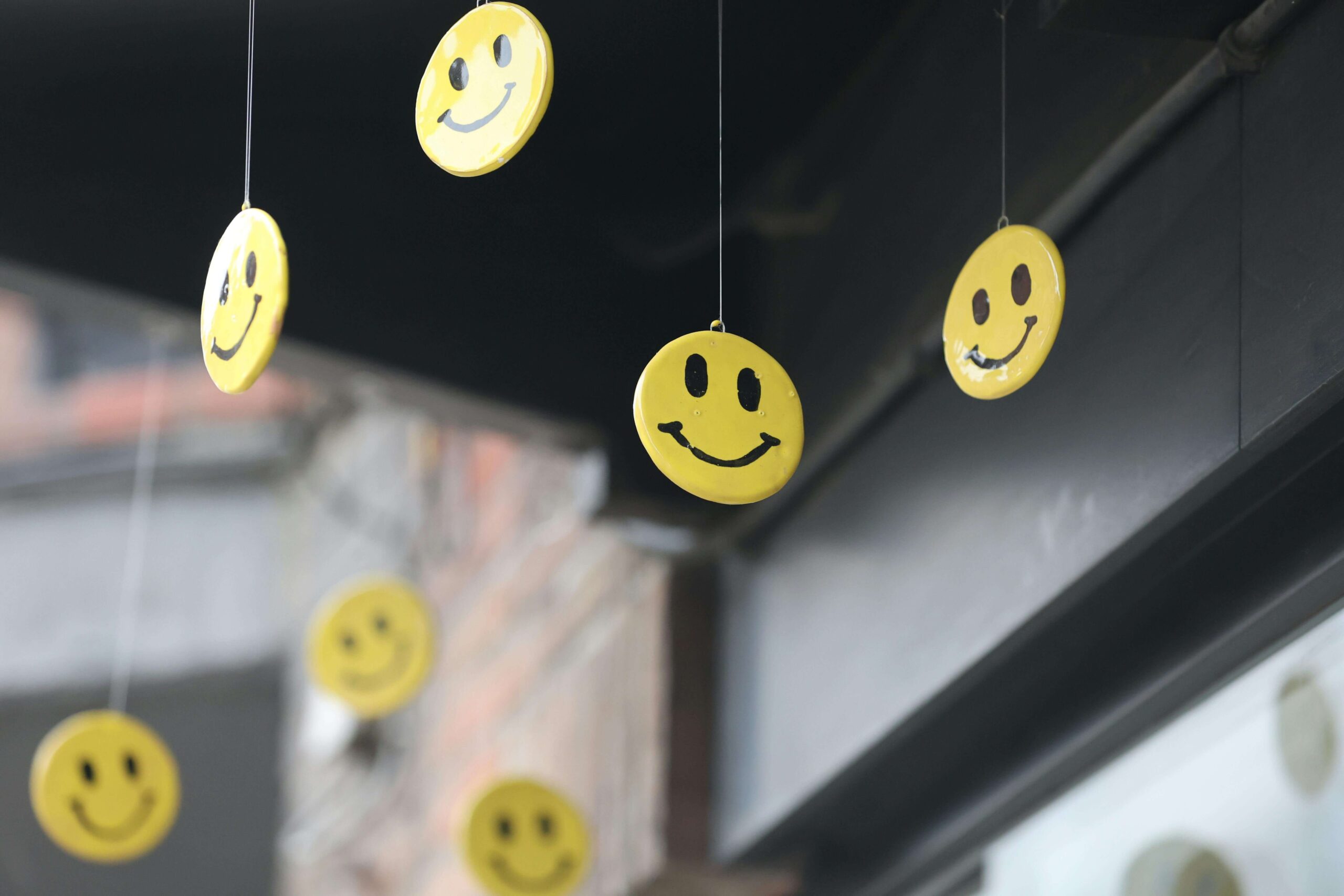

Our Unit 871 ESL Instructor, Nick, remarks on how the tenets of World Happiness Day benefit his English language instruction.
World Happiness Day is a perfect time to reflect on our teaching practices. Here in Hanoi, the classroom is more than just a place for lessons. It is a community built on mutual respect. In a language classroom, happiness is a vital tool for effective learning. When students feel relaxed, they communicate more freely. This creates a positive cycle of engagement and success.
The Science of a Happy Classroom
Research shows that high stress levels block language acquisition. This is often called the “affective filter.” If students are anxious, they cannot process new grammar or vocabulary effectively. By focusing on morale, we lower this filter.
I find that using cooperative learning is a great way to start. Instead of competing, students work together toward a shared objective. This builds a sense of belonging and unit cohesion. It turns the classroom into a safe space where making mistakes is part of the training process.
The Power of Shared Stories
To mark the occasion, we recently held an in-class social gathering. This was a productive break from our usual routine. We shared food and enjoyed a more informal atmosphere. During this time, we talked about the things we are grateful for.
These personal stories helped me get to know my students on a deeper level. For example, I learned that one of my students is a mother balancing her service with family life. I now understand why she sometimes submits homework later than others. Handling parenting duties while studying is a massive challenge. Knowing this allows me to be more supportive and flexible.
Building a Strong Learning Environment
When students feel seen and understood, their investment in the course grows. A positive classroom also encourages peer support. During a difficult grammar exercise, I noticed a stronger student quietly explaining a rule to a struggling classmate. They did this because they felt comfortable and connected to their peers.
A strong bond between the instructor and students improves the learning environment. It fosters trust and encourages more risk-taking during speaking activities. High morale leads to better attendance and more active participation.
Active Engagement Through Play
Another way to boost morale is through gamification. Introducing interactive tools like matching games or role-plays changes the energy of the room. Movement is also key. Simple “mingle” activities help students stay energized.
When students move, their brains stay sharp. They associate English with professional growth and camaraderie rather than just hard work. This shift in perspective is essential for long-term motivation.
Why It Matters
Teaching is not just about delivering content. It is about building connections. A happy student is a curious student. By prioritizing well-being, we help our learners in Hanoi reach their full potential.