
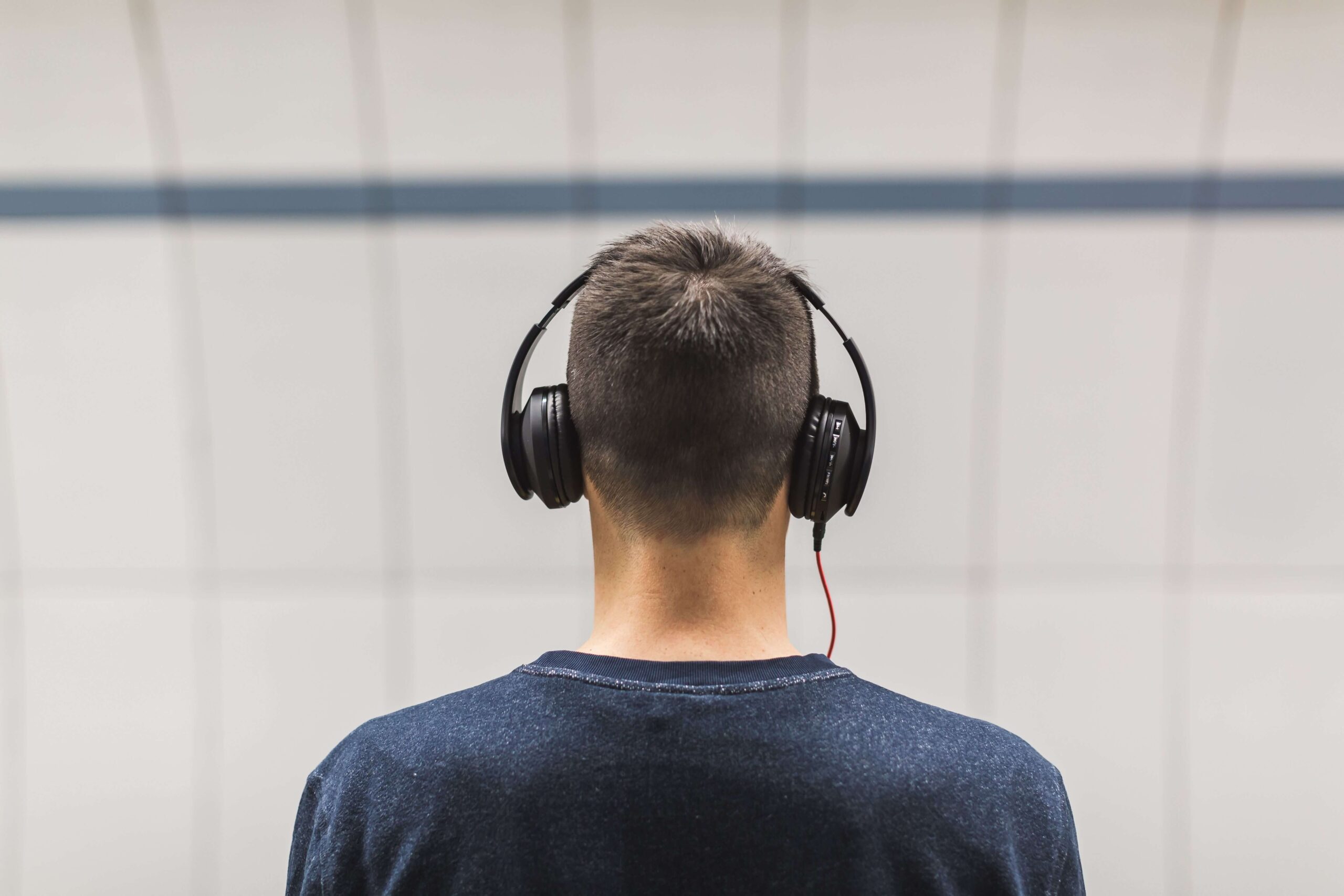

Our Unit 871 ESL Instructor, Ben, remarks on the importance of focused practice for students in English language training.
Listening is the foundation of communication. Before students can respond well, they need to understand what they hear. Making listening a central focus can strengthen a classroom’s overall communication skills.
Identifying the Need
Book test results often reveal listening as an area for growth. Student profile and goals feedback can confirm this pattern directly. When learners themselves ask to improve listening comprehension, it becomes a clear teaching priority. This kind of feedback should shape lesson planning for the term ahead.
Strengthening Listening Skills
Textbook listening exercises provide a strong starting point. Supplementing these with additional listening activities gives students more exposure to different voices, speeds, and accents. Repeated practice helps learners recognize patterns and build confidence in real conversations. The more varied the input, the more adaptable a listener becomes.
Connecting Listening to Speaking
Clear speech and clear listening go hand in hand. Drilling, mimicking, and reading aloud all support accurate pronunciation. Role play and dialogue activities take this further, giving students real opportunities to hear language and produce it themselves. These tasks turn passive listening into active communication practice.
Learning Through Peer Review
Peer review is a powerful tool for developing listening skills. When students listen closely to classmates, they practice identifying specific areas for improvement. This might include pronunciation, word choice, or sentence structure. The process sharpens listening in a focused, practical way.
Just as importantly, that feedback should feed back into a student’s own speech. This creates a cycle of listening, noticing, and improving. Students move from passively receiving feedback to actively applying it, which deepens learning on both sides.
Maximizing Talk and Listening Time
Classrooms work best when student talk time and listening opportunities are maximized together. The more students speak and listen to one another, the more language they process. Passive observation should give way to active engagement whenever possible. Structured pair work, group discussion, and peer feedback all help achieve this balance.
Looking Ahead
Listening and speaking are deeply connected skills. Strengthening one naturally supports the other. A classroom that prioritizes both is one where students grow into more effective, confident communicators, both inside and outside the classroom.