
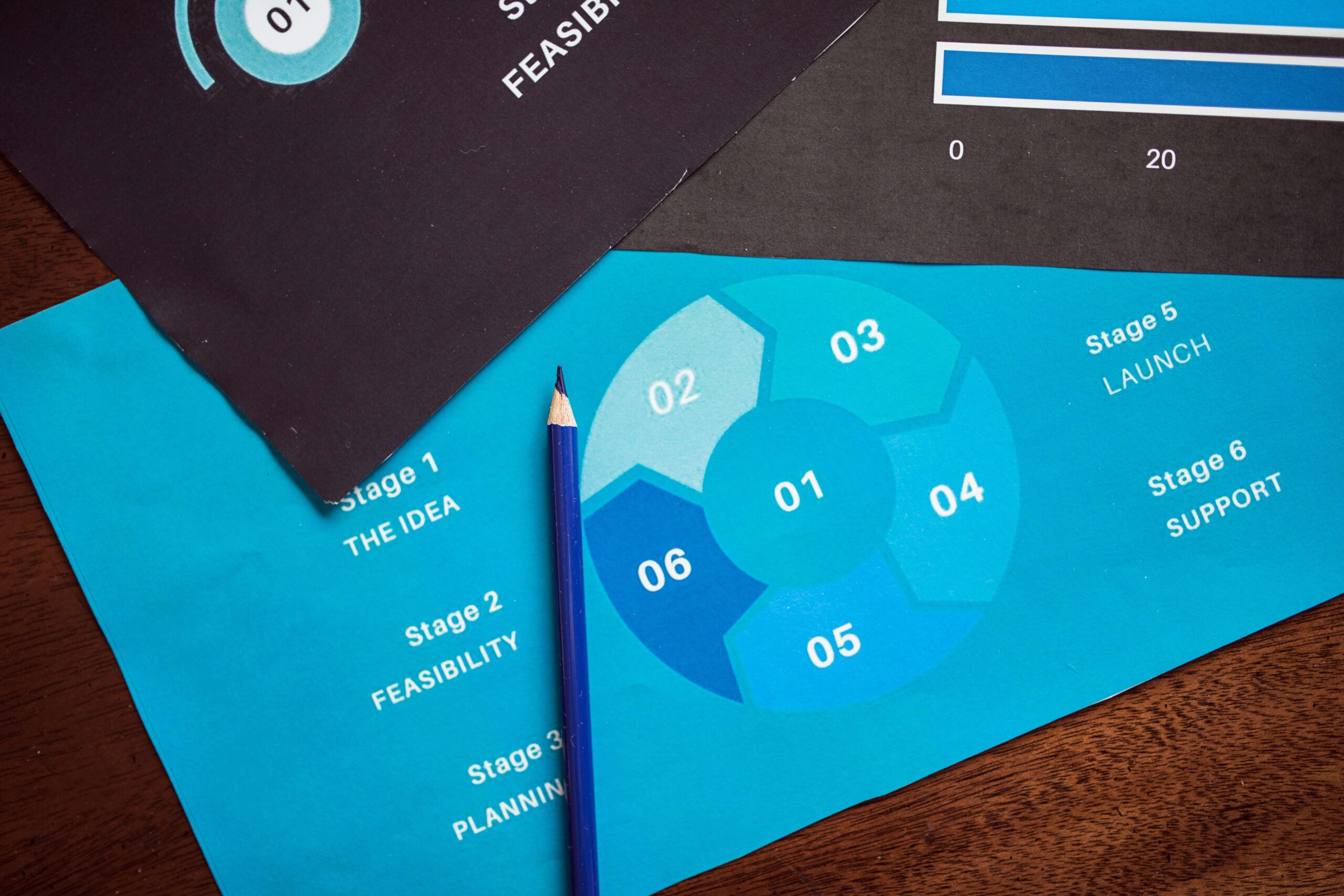

Our Program Manager, Matt, provides insight on the process development that takes place outside of the classroom for the ELTP.
Strong programs depend on more than good instruction. They also require clear processes that help staff work efficiently and consistently.
Throughout September, our team focused on improving several operational systems that support the English Language Training Program. These efforts included updating documentation, refining procedures, and creating resources that help staff navigate their responsibilities with confidence.
While this work often takes place behind the scenes, it helps create a more stable environment for instructors, students, and stakeholders alike.
Supporting Consistency Across the Program
As programs grow, clear guidance becomes increasingly important. Staff need reliable resources that explain expectations, responsibilities, and common procedures.
This month, we continued reviewing and updating operational documentation. The goal was simple: make important information easier to find and easier to use.
Well-designed procedures support consistency across teams. They also help reduce confusion when questions arise. When staff can quickly locate accurate information, they can spend more time focused on their primary duties.
Investing in Staff Success
Effective processes support people as much as they support operations. During September, we also expanded resources that help staff understand program expectations and day-to-day responsibilities. These resources provide practical guidance and encourage consistent practices across the organization.
Clear documentation benefits both new and experienced employees. It creates shared expectations and helps ensure that important tasks are completed effectively. Providing staff with reliable tools and resources is an investment in long-term program success.
Looking for Small Improvements
Continuous improvement rarely comes from a single major change. More often, it comes from small adjustments that build over time. Throughout the month, we reviewed existing workflows and identified opportunities to improve efficiency. In some cases, this meant simplifying documentation. In others, it meant clarifying procedures or improving record-keeping practices.
These improvements may seem minor on their own. Together, however, they help strengthen the systems that support the program every day.
Building for the Future
Process development is an ongoing effort. As the program evolves, our procedures must evolve as well. By investing time in documentation, resource development, and operational improvements, we are building a stronger foundation for future growth. These efforts support effective program management and help ensure a consistent experience for everyone involved.
Although much of this work happens outside the classroom, it contributes directly to the program’s long-term success. Strong systems help create the conditions that allow students, instructors, and staff to perform at their best.