
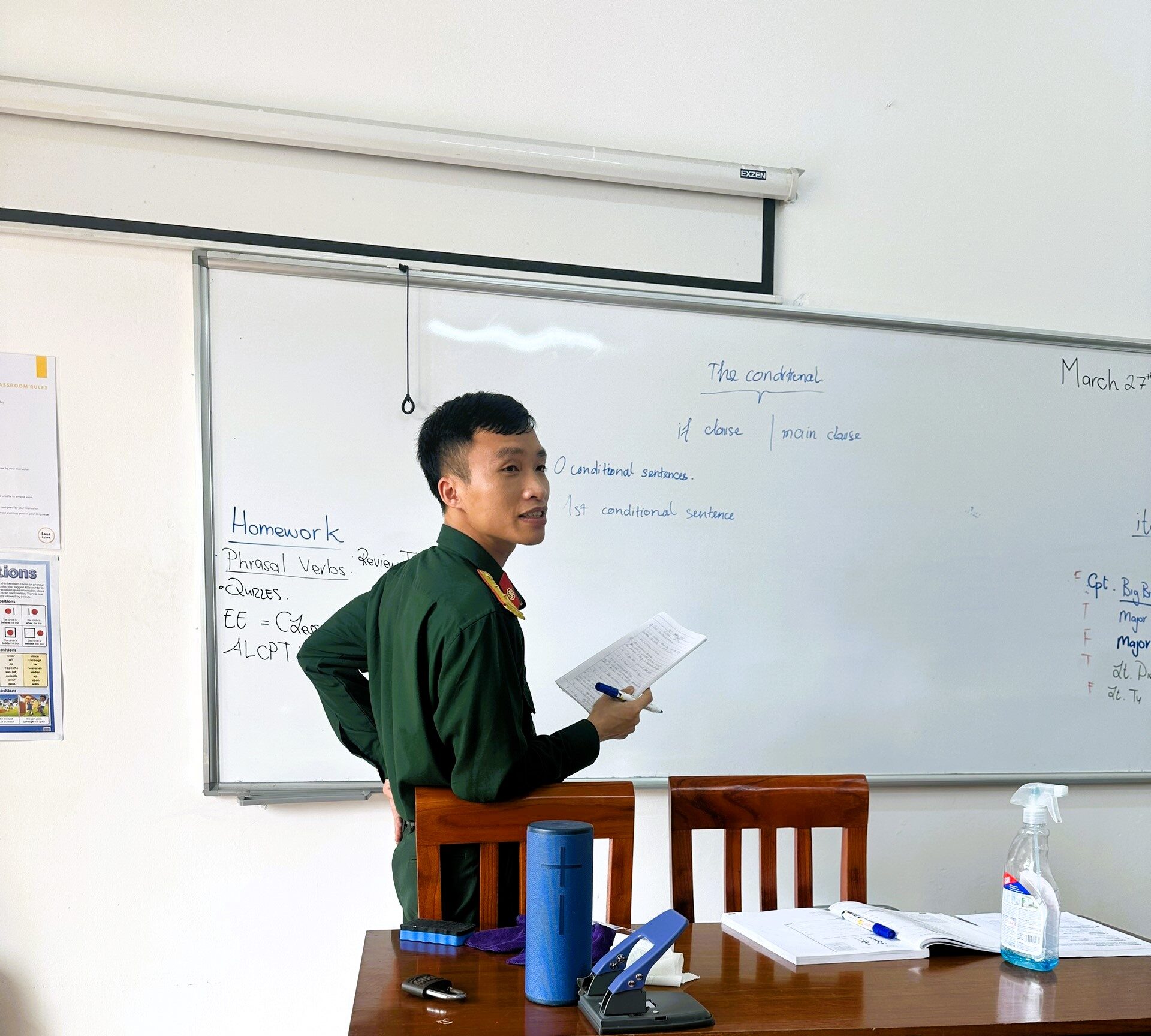

Our Unit 871 ESL Instructor, Jai, remarks on the importance of reflective teaching and how to cultivate a positive teaching culture.
A strong teaching program is defined not just by what teachers do, but by how they think about what they do. Reflective teaching is the ongoing process of thinking critically about one’s instruction. It turns everyday classroom practice into continuous improvement. When reflection becomes a culture rather than an occasional activity, teaching teams grow stronger, more adaptive, and more effective.
What Is Reflective Teaching?
Reflective teaching involves examining one’s choices and actions in the classroom, asking questions like, “What worked?”, “Why did students struggle?”, and “What could I try next time?” (Schön, 1983). It encourages teachers to learn from experience rather than repeating routines.
Why Create a Reflective Culture?
- Reflection Improves Instruction
Teachers who reflect regularly adjust their teaching based on evidence from their own classrooms. Research shows that reflection is a key driver of professional growth and improved student outcomes (Larrivee, 2008). Reflective teachers become more intentional and responsive.
- Shared Reflection Builds Team Learning
When teachers share reflections with colleagues through discussions or group meetings, they build a collective understanding of effective practice. Group reflection spreads insights quickly and creates a shared vocabulary for teaching challenges and solutions (Valli, 1997).
- Reflection Strengthens Problem-Solving
Reflective teaching turns problems into opportunities. Instead of feeling stuck when a lesson doesn’t go as planned, reflective teachers analyze causes and brainstorm alternatives. This problem-solving mindset increases teachers’ confidence and adaptability.
- Reflection Links Classroom Practice to Student Learning
A reflective culture keeps the student experience at the center. Teachers focus on observable behaviors, student engagement, participation, and task success, rather than assumptions. This evidence-based approach aligns teaching decisions with real learning needs (Richards & Farrell, 2005).
How to Build a Reflective Culture
To create a school or program where reflective teaching thrives:
- Make reflection part of regular routines: brief end-of-day notes, weekly team meetings, or short reflection prompts.
- Encourage honest, non-judgmental dialogue: focus on growth, not evaluation.
- Use structured prompts: “What surprised me today?” “What will I try differently next time?”
- Connect reflection to classroom data: student feedback, assessment results, lesson observation notes.
Conclusion
Reflection turns experience into expertise. When teachers reflect regularly and with each other, reflection becomes a culture that supports continuous improvement, shared learning, and stronger instruction. For programs committed to excellence, fostering reflective teaching is not an extra task; it is a core professional habit that yields real, sustainable benefits.
References
Larrivee, B. (2008) ‘Development of a tool for assessing teachers’ level of reflective practice’, Reflective Practice, 9(3), pp. 341–360.
Richards, J. C. and Farrell, T. S. C. (2005) Reflective Teaching in Second Language Classrooms. New York: Cambridge University Press.
Schön, D. A. (1983) The Reflective Practitioner: How Professionals Think in Action. New York: Basic Books.
Valli, L. (1997) ‘Listening to Other Voices: A Description of Teacher Reflection in the United States’, Educational Researcher, 26(8), pp. 26–27.